SOUTH KOREA, 2025 — This Korea Travel Guide isn’t about glossy postcards or Instagram-perfect skylines. It’s about the real Korea, the one you find in late-night barbecue joints tucked behind neon-lit alleys, in temple courtyards where monks walk barefoot at dawn, and in the sizzling chaos of street markets that run on steam, spice, and pure energy. From Seoul’s relentless pace to the North Korean border, Korea doesn’t invite you in politely; it grabs you by the senses and pulls you along. Inside this guide, you’ll find stories from the streets, dishes you can’t pronounce but will crave for life, stays that feel like home, and travel tips you won’t get from glossy influencer reels. If you want to move, taste, climb, and experience Korea as it really is, keep reading.


Destinations
South Korea - Field Notes
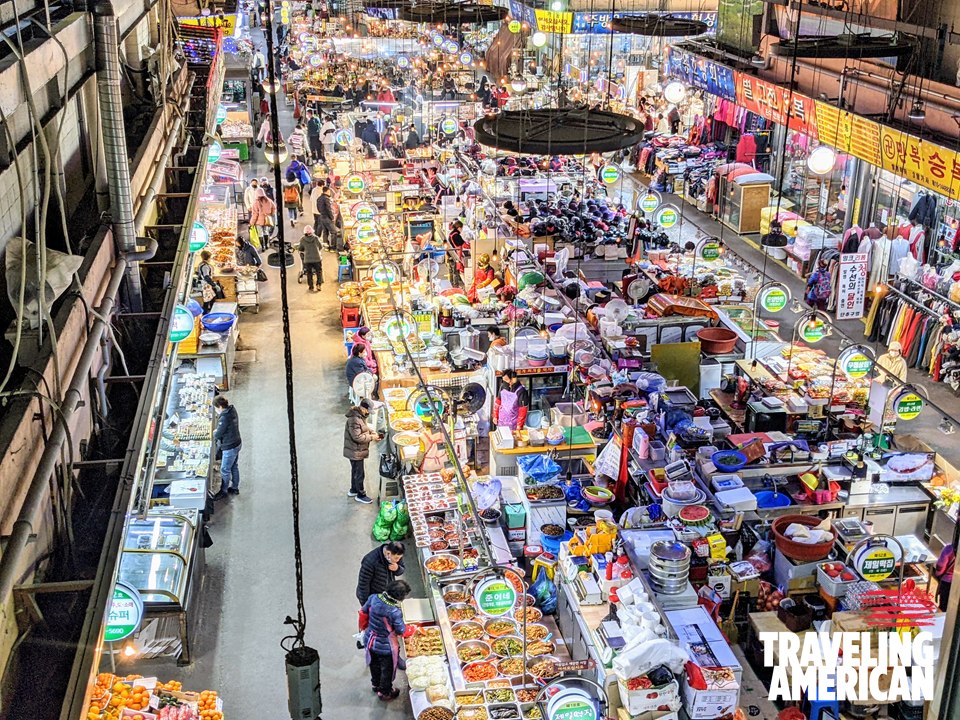
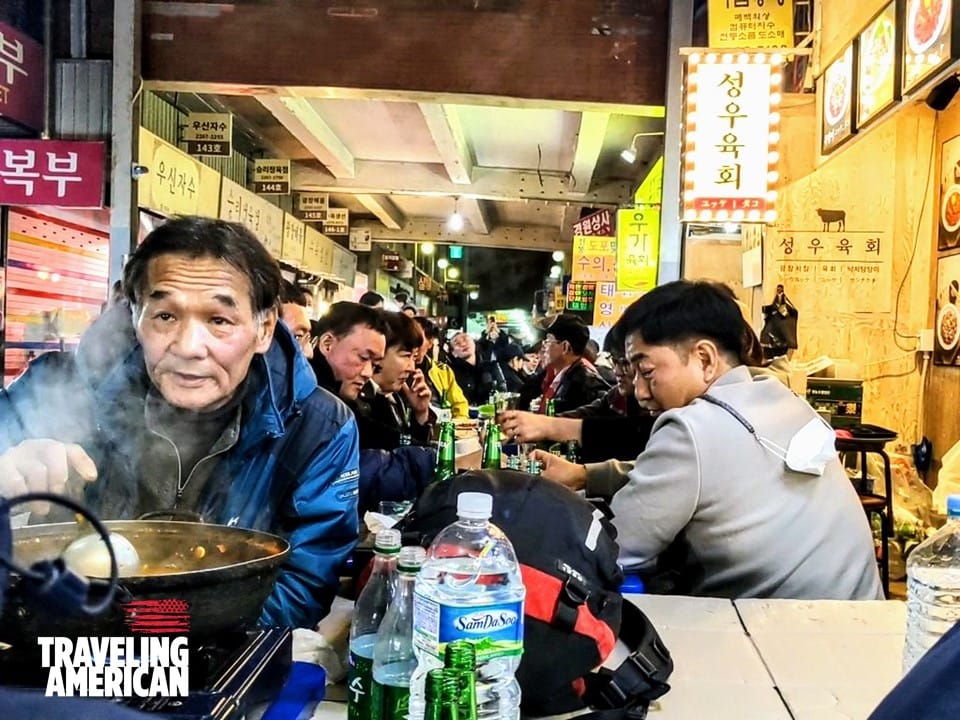
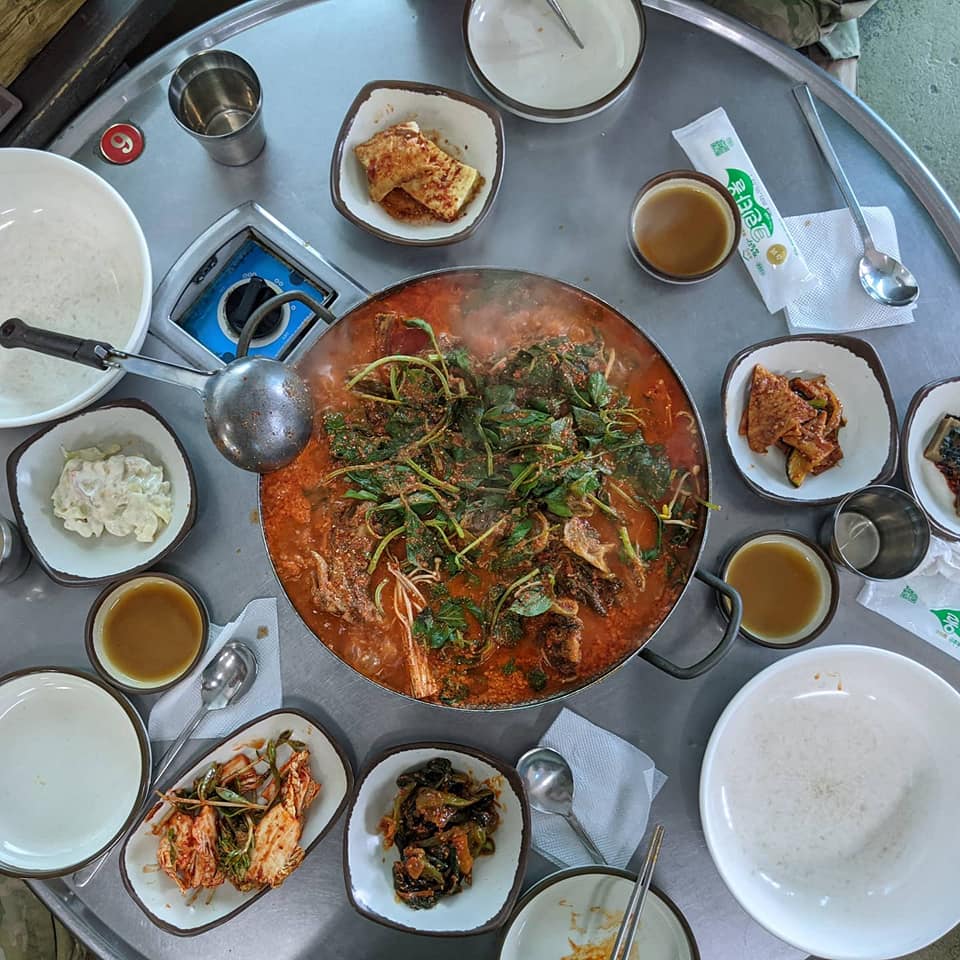
Welcome to South Korea, where every bite tells a story, and every meal is an adventure waiting to unfold. As you navigate the bustling streets of Seoul or venture into the serene countryside, prepare yourself for a gastronomic journey unlike any other. Here’s what you can expect from exploring the vibrant food scene of South Korea. First and foremost, Korean cuisine is a symphony of bold flavors and intricate textures that dance on your palate. From the fiery spice of kimchi, fermented to perfection over generations, to the umami-rich depths of doenjang jjigae, a hearty soybean paste stew, every dish tells a tale of tradition and innovation. Step into any bustling market or street corner, and you’ll find yourself amidst a vibrant tapestry of street food delights. Crispy hotteok, a sweet pancake filled with brown sugar and nuts, sizzling odeng skewers swimming in savory broth, and tteokbokki, chewy rice cakes bathed in spicy gochujang sauce—these are just a few of the irresistible treats that beckon to be savored.
Average costs in this area
Transportation - Navigating South Korea's vibrant cities like Seoul is a breeze thanks to its impeccable subway systems—clean, reliable, and the envy of many. Taxis, easily summoned via user-friendly apps, offer convenience, albeit with occasional language hurdles. But fear not! Getting around won't break the bank. For local adventures, expect to pay around 1300 KRW (about 0.94 USD) per subway ride, or grab a monthly pass for about 55,000 KRW (roughly 39.87 USD). Taxis, ranging from $5 to $10 per trip, are a swift option, while longer rides, like the Seoul to Busan stretch, stay under $40. So whether you're navigating Seoul's bustling streets or island-hopping in Jeju, travel in South Korea remains refreshingly affordable and convenient.
Transportation
Getting around South Korea is almost too easy. This isn’t some chaotic, hold-on-for-your-life commute like you’d find in Bangkok or Manila. Here, the trains run on time, the buses glide in like clockwork, and the subway is so clean you could eat off the floor, though no one in their right mind actually would. Seoul’s subway is the beating heart of the city. It’s fast, cheap, and impossible to screw up, even if you can’t read Korean. English signs are everywhere, and the locals are too busy scrolling on their phones to notice you’re lost. Grab a T-Money card from a GS25 or CU convenience store and you’re golden, it’ll get you on subways, buses, and even some taxis. One swipe and you’re in.
But when you want to move fast, really fast, take the KTX bullet train. It’s sleek, quiet, and will fling you from Seoul to Busan in under three hours. You’ll watch the countryside blur by while eating a convenience store kimbap that costs less than your coffee back home. Buses are your ticket to the in-between places, mountain towns, fishing villages, and anywhere the KTX can’t reach. They’re comfortable enough, and yes, they have Wi-Fi, because this is South Korea. Taxis are everywhere and absurdly cheap compared to the States. Download Kakao T, punch in your destination, and a cab will appear like magic. Just remember, if it’s rush hour and you’ve got luggage, the subway turns into a full-contact sport.
Here’s the truth, you don’t need a rental car. Unless you’ve got a death wish for parking nightmares and the thrill of battling Seoul traffic, skip it. South Korea’s public transportation isn’t just good, it’s part of the trip. Every bus ride, every subway transfer, every high-speed rail trip is a little piece of the country you wouldn’t see otherwise. That’s the point of travel, not just the destination, but the ride. And in Korea, the ride’s worth it.
Accommodations
Forget the glossy hotel brochures and Instagram-ready suites. Unless you’re flying in for a corporate conference or have a thing for overpriced lobbies that smell like designer perfume, skip the big chains. In Korea, the real budget traveler’s secret is the love hotel. Yeah, I know, the name makes you think heart-shaped beds, mirrored ceilings, and maybe a vending machine that sells things your mother wouldn’t approve of. And sure, some have that vibe. But most? They’re just clean, private, and absurdly affordable rooms used by locals for everything from a night away from the kids to a quick nap between meetings.
We’re talking $10 to $50 USD a night for a spot that comes with a king-size bed, a flat-screen TV the size of a small wall, and a bathroom stocked like they expect you to move in. Toothbrush, toothpaste, hair gel, razor, you name it, it’s probably there. For the price of one bland Western hotel breakfast, you can crash somewhere that feels like a local’s hideout instead of a tourist trap. And here’s the thing nobody tells you: if you’re feeling flush and decide to spend $100 USD on a love hotel, you might end up in a two-story suite with a staircase in your room, a giant soaking tub, maybe even a karaoke setup. At that point, you’re basically living in your own K-drama set.
Skip staying in one place the whole trip. Korea is a country meant to be explored in layers. Spend two nights in one neighborhood, pack up, and move on. Hongdae one night for the bars, Insadong for the tea houses, a quiet corner of Jeonju for the food. The Agoda app is your best friend here, I’ve found rooms for 75% off, booked while standing on the sidewalk five minutes before check-in. This is travel for people who want to be in Korea, not just look at it from a hotel window. The kind of traveler who eats where the locals eat, drinks where the locals drink, and crashes where the locals crash. If that’s you, love hotels aren’t just an option, they’re the smartest, cheapest, most unexpectedly comfortable way to do it.
Food
In this Peru Travel Guide, food isn’t just a part of the journey, it’s the pulse of the country. If Peru had a national sound, it would be the sizzle of meat on a flat top. Sure, there are world-class restaurants and Michelin stars here, but give me a dented cart on a corner in Lima slinging fried chicken and Lomo Saltado, and I’m happy. Let’s start with the chicken, it’s everywhere. On street corners, in gas stations, under flickering fluorescent lights. The skin? Crisp. The meat? Juicy. You don’t need a menu; just nod and hold out your soles. Some stalls serve it straight on wax paper with a mound of fries and a plastic spoon stabbed into a puddle of yellow ají sauce.
And then there’s Lomo Saltado, Peru’s soul on a plate. Stir-fried beef, onions, and tomatoes tossed in soy sauce, dropped onto a bed of rice, and crowned with fries. It’s messy. It’s loud. It’s fusion without ever trying to be fusion. In Cusco, I found it in a tiny joint hidden behind a laundry sign. In Nazca, I got it served with a smile and a splash of cold Inca Kola. Everywhere I went, I ordered it again.
This Peru Travel Guide will tell you, half the time you won’t know exactly what you’re eating, and that’s the fun of it. If it smells good and the locals are lining up, get in line. Eat first. Ask questions later.
And Lomo Saltado, Peru’s soul on a plate. Stir-fried beef, onions, and tomatoes tossed in soy sauce, dropped onto a bed of rice, and crowned with fries. It’s messy. It’s loud. It’s fusion without trying to be fusion. In Cusco, I found it in a tiny joint hidden behind a laundry sign. In Nazca, I got it served with a smile and a splash of cold Inca Kola. And everywhere I went, I ordered it again.
You won’t always know what you’re eating. Half the time I didn’t. But if it smells good and the locals are lining up, get in line. Eat first. Ask questions later.
Suggested daily budget – 55-74 EUR / 60-80 USD In South Korea, affordability endures even amid the post-pandemic travel cost surge. For budget-minded travelers, budget around $60 to $80 daily, covering accommodation, food, transportation, and basic activities. Mid-range travelers can expect to spend that much daily, enjoying a bit more comfort and the freedom to explore. Whether navigating Seoul’s vibrant streets or indulging in mouthwatering Korean BBQ, South Korea offers diverse experiences for every budget, making it a captivating destination for all.)
Tips for first visit
1. Prepare Your Schedule – No matter how long you’re going to be in Korea, don’t stay in the same hotel the whole time. Create a list of what you want to see and move around the all of Seoul.
2. Get KRail Subway Card – Navigating Korea’s transport system is a breeze with a T-Money card. Grab one at any GS25 or CU convenience store. These rechargeable cards work for taxis, buses, and the subway, making them essential for getting around. In Korea, you’ll mostly travel by subway. When your card gets low, just top it up at any local convenience store.
3. Stay at Different Hotels – Never stay in the same hotel for more than two days. With thousands of hotels available around $35 USD a night, you can always find a new spot to explore. In Korea, these are often called “love hotels,” but don’t let the name mislead you. They offer comfortable accommodations perfect for travelers. Download the Agoda app or visit www.agoda.com to find your next stay..
Do’s and don’ts
South Korea is a place where small gestures speak volumes. Start with the basics. Learn a few phrases, “hello” (안녕하세요, annyeonghaseyo), “thank you” (감사합니다, gamsahamnida), and “sorry” (죄송합니다, joesonghamnida). You are not just being polite, you are opening a door. Hand over a business card, pay for something, even pass a drink, and do it with both hands. It is a quiet nod to the weight of respect in everyday life. Step into someone’s home or a traditional inn, shoes come off, slippers go on, no exceptions.
Elders are the spine of Korean society. Bow when you meet them, let them move ahead in line, and wait until they take the first bite before you pick up your chopsticks. Out in public, mind your manners. Stand on the right side of escalators. Keep trash sorted, Korea’s recycling system will put most countries to shame.
There are lines you do not cross. Pointing with a single finger? Forget it, use your whole hand. Public spaces are not the place for booming voices. Dress with modesty, save bare shoulders and cleavage for somewhere else. Tipping is rare, sometimes unwelcome. Write someone’s name only in blue or black ink, red is tied to death. Publicly calling someone out strips away dignity, and here, saving face matters. And if an elder offers you a drink, you take it. To refuse is to turn away more than the alcohol.
Understanding South Korea is not just about memorizing a set of rules. It is about reading the unspoken language that moves beneath the surface. Step in with curiosity and respect, and the country will peel back its layers for you, one shared meal, one quiet bow, one genuine connection at a time.
What to Do
The DMZ and North Korean Border
The Demilitarized Zone is not a roadside attraction, it is history standing guard. Soldiers stare straight ahead, motionless, as if carved from stone. Through the binoculars you glimpse another country frozen in time, its silence more unsettling than the rhetoric. It is tense, surreal, and worth every second.
Hongdae
In Seoul’s Hongdae district, the streets pulse with color and noise. Neon signs bleed onto the pavement, club bass shakes the ground, and street performers twist themselves into impossible shapes. Food stalls push sizzling skewers into your hands, and the air smells of sweet hotteok pancakes. It is chaotic, young, and addictive.
Itaewon
Itaewon is Seoul’s cultural crossroads, where every street offers something unexpected. International restaurants sit shoulder to shoulder with smoky Korean barbecue joints, and late-night bars buzz with a mix of locals, expats, and travelers swapping stories. Shop for vintage clothes, sip cocktails in a rooftop lounge, then grab a plate of spicy tteokbokki from a street vendor before the sun comes up.
Jeju Island
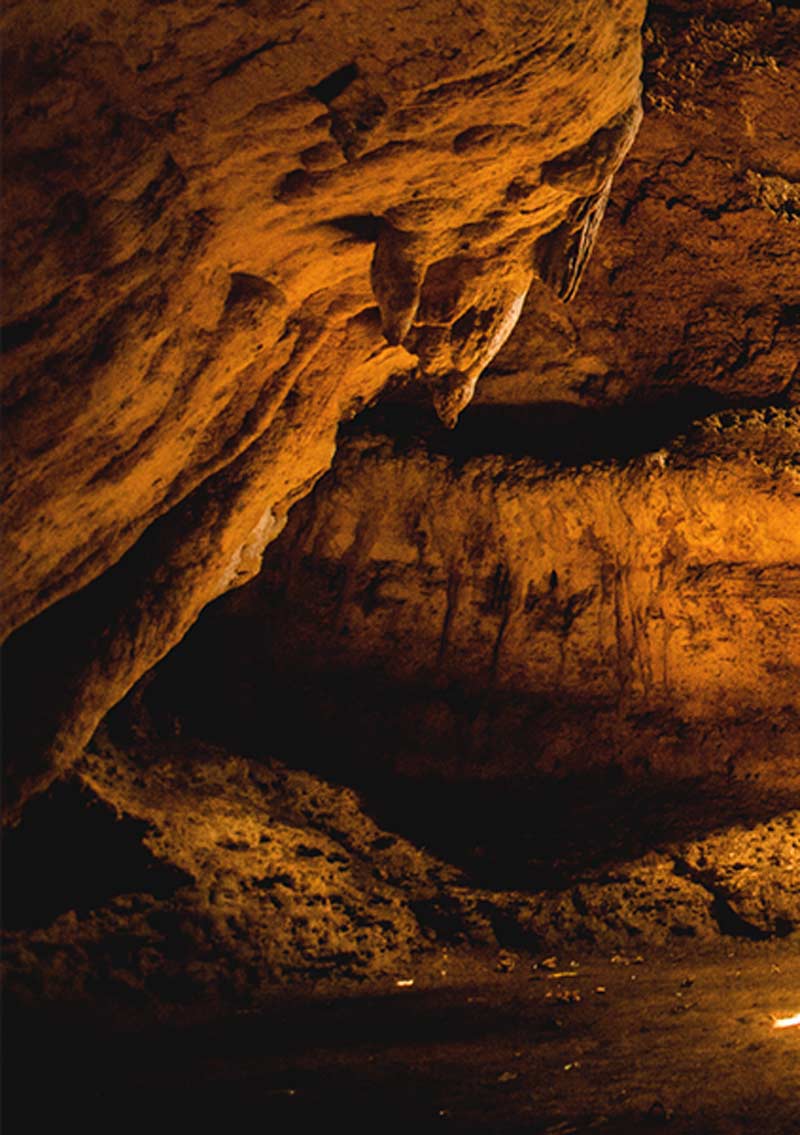
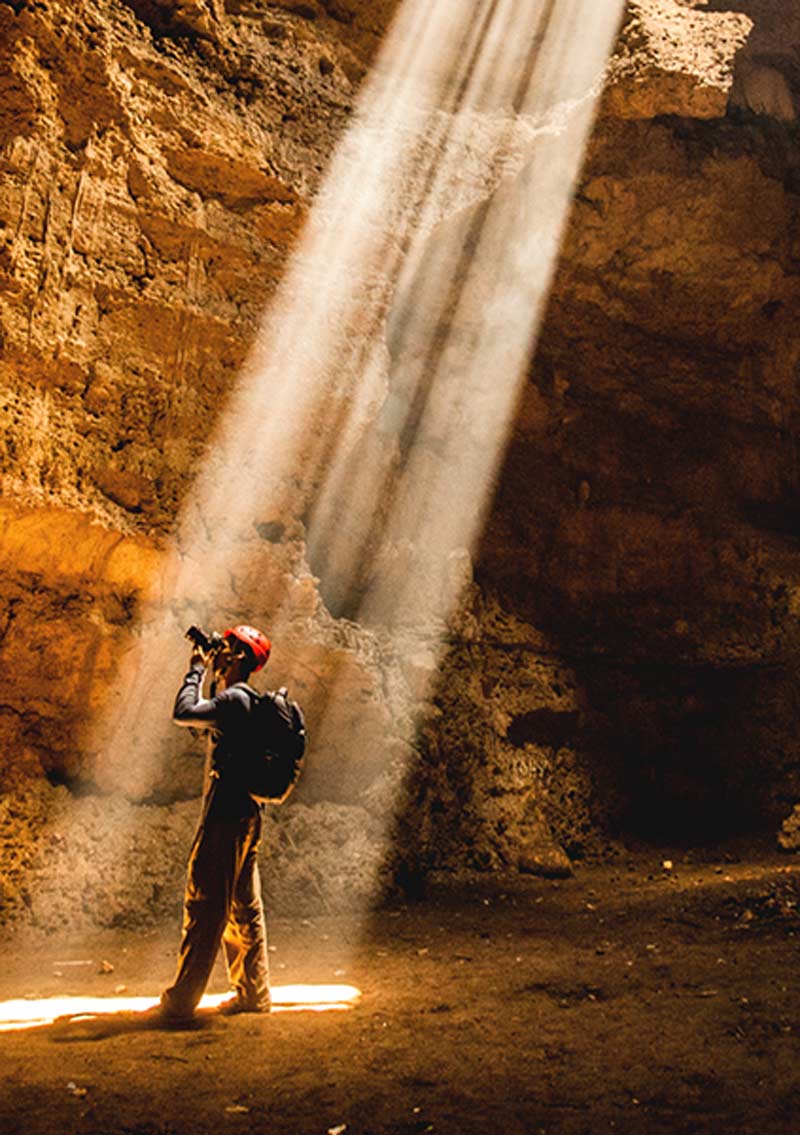
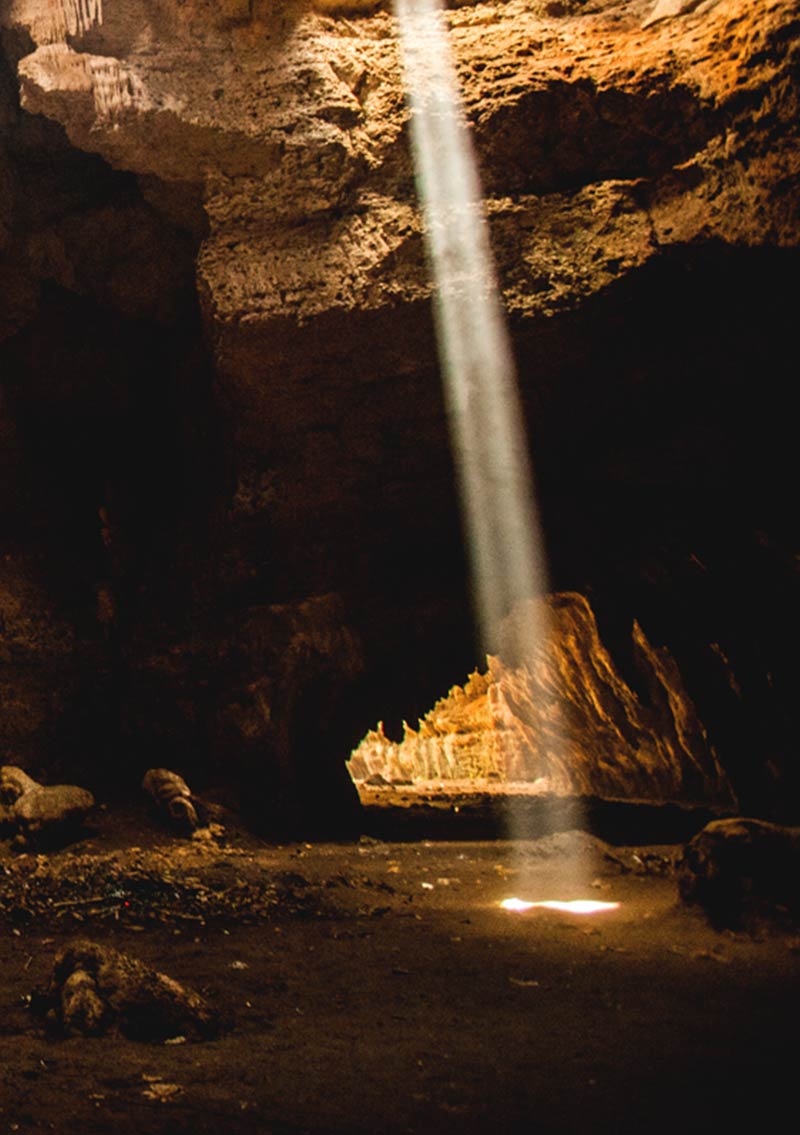
Jeju is where the pace shifts. Black volcanic stone meets turquoise water, cliffs drop into the sea, and tangerine groves scent the air. Climb Hallasan for a view that feels like the island belongs to you, then descend into lava tubes where the earth whispers its ancient secrets.
The Markets of Seoul
Namdaemun and Gwangjang are labyrinths for the senses. Vendors yell over the hum of the crowd, silk hanboks spill color across narrow aisles, and somewhere between the stalls you find a plate of mayak gimbap so good it ruins you for all others. These markets are not just for buying, they are for getting lost.
Noryangjin Fish Market
Noryangjin is the sea brought ashore. Tanks bubble with eels, octopus, and shellfish still twitching with life. You pick your catch, hand it over, and minutes later it is on your plate raw, grilled, or simmered in a spicy broth. It is loud, messy, and unforgettable.
Dongdaemun Grilled Fish Alley
At night, the air in Dongdaemun’s Grilled Fish Alley turns thick with smoke and the scent of mackerel crisping over open flames. Each stall is just big enough for a few tables, the walls lined with beer posters and steam from boiling pots. You point, they grill, and a plate of charred fish lands in front of you alongside kimchi and a cold beer. It is the kind of place you think about long after you leave.
Dongmyo Flea Market
Dongmyo is not polished, and that is the point. It is stalls crammed with everything from antique cameras to vinyl records to clothes that smell faintly of another life. You haggle, you dig, and sometimes you strike gold. It is a reminder that the best finds in Korea are not always new, they are just waiting for someone curious enough to look.
Seoraksan National Park
In the northeast, Seoraksan offers granite peaks, waterfalls, and autumn colors so vivid they look painted. The trails range from lazy walks to brutal climbs, but the reward is clean air and silence that feels earned.
Where to Eat
TESTLorem ipsum dolor sit amet, consectetur adipisicing elit sed. Eiusmod tempor. incididu nt ut labore et dolore magna aliqua. Ut enim. ad minim veniam, uis nostrud exerc itation ullamco. Laboris nisi. ut aliquip ex ea commodo consequat. Duis aute irure dolr. inreprehen derit in voluptate velit esse cillum dolore. Eu fugiat nulla pariatur. Excep teur sint occaecat non proident, sunt in culpa qui officia deserunt mollit anim idlaborum. Sed ut persp iciatis unde omnis iste natus error sit. voluptatem accusantium doloremque laudantium, totam rem aperiam. Architecto beatae vitae dicta
Nemo enim ipsam voluptatem quia voluptas sit aspernatur aut odit aut fugit, sed quia consequuntur magni dolores eos qui ratione voluptatem sequi nesciunt. Neque porro quisquam est, qui dolorem ipsum quia dolor sit amet, consectetur, adipisci velit, sed quia non numquam eius modi tempora incidunt ut labore et dolore magnam aliquam quaerat voluptatem.Lorem ipsum dolor sit amet, consectetur adipisicing elit sed. Eiusmod tempor. incididu nt ut labore et dolore magna aliqua. Ut enim.
Where to Stay
TESTLorem ipsum dolor sit amet, consectetur adipisicing elit sed. Eiusmod tempor. incididu nt ut labore et dolore magna aliqua. Ut enim. ad minim veniam, uis nostrud exerc itation ullamco. Laboris nisi. ut aliquip ex ea commodo consequat. Duis aute irure dolr. inreprehen derit in voluptate velit esse cillum dolore. Eu fugiat nulla pariatur. Excep teur sint occaecat non proident, sunt in culpa qui officia deserunt mollit anim idlaborum. Sed ut persp iciatis unde omnis iste natus error sit. voluptatem accusantium doloremque laudantium, totam rem aperiam. Architecto beatae vitae dicta
Cell Phone Coverage
If you’re anything like me, the thought of landing in a new country without cell phone coverage sends a shiver down your spine. It’s one of those travel details that can drive you mad. Over the years, through a fair share of trial and error, I’ve found a few solid solutions. Some worked in one country, some didn’t, but here in South Korea, I’ve cracked the code.
You’ve got options: SK Telecom SIM cards, LG U+ SIM cards, eSIMs, and my personal go-to, the KT SIM card. I’ve spent more than four years living off and on in South Korea, and KT has never let me down. They’re easy to pick up right at the airport, no fuss, no hassle. eSIMs? Haven’t tried them here, but I’d wager they’d do just fine.
The beauty of South Korea is the omnipresent internet. The subways, coffee shops, bars—Wi-Fi is everywhere. You could easily get by just hopping from one free network to the next. But let’s get real; you’re going to want to stay connected all the time. So, grab yourself a local SIM card and download KakaoTalk.
KakaoTalk is the lifeline of communication in Korea. It’s the most popular free messaging app, and with it, you can send messages, photos, videos, voice notes, and even share your location, all using your data connection. Free voice and video calls? Of course. But here’s the catch: set up KakaoTalk only after you’ve got your Korean phone number. You’ll need it to receive those essential verification codes.
So there you have it. A little slice of travel wisdom from someone who’s been there, done that, and got the SIM card to prove it. Stay connected, stay sane, and enjoy the journey.

